Waterproofing Services NJ for Stronger Basement Walls

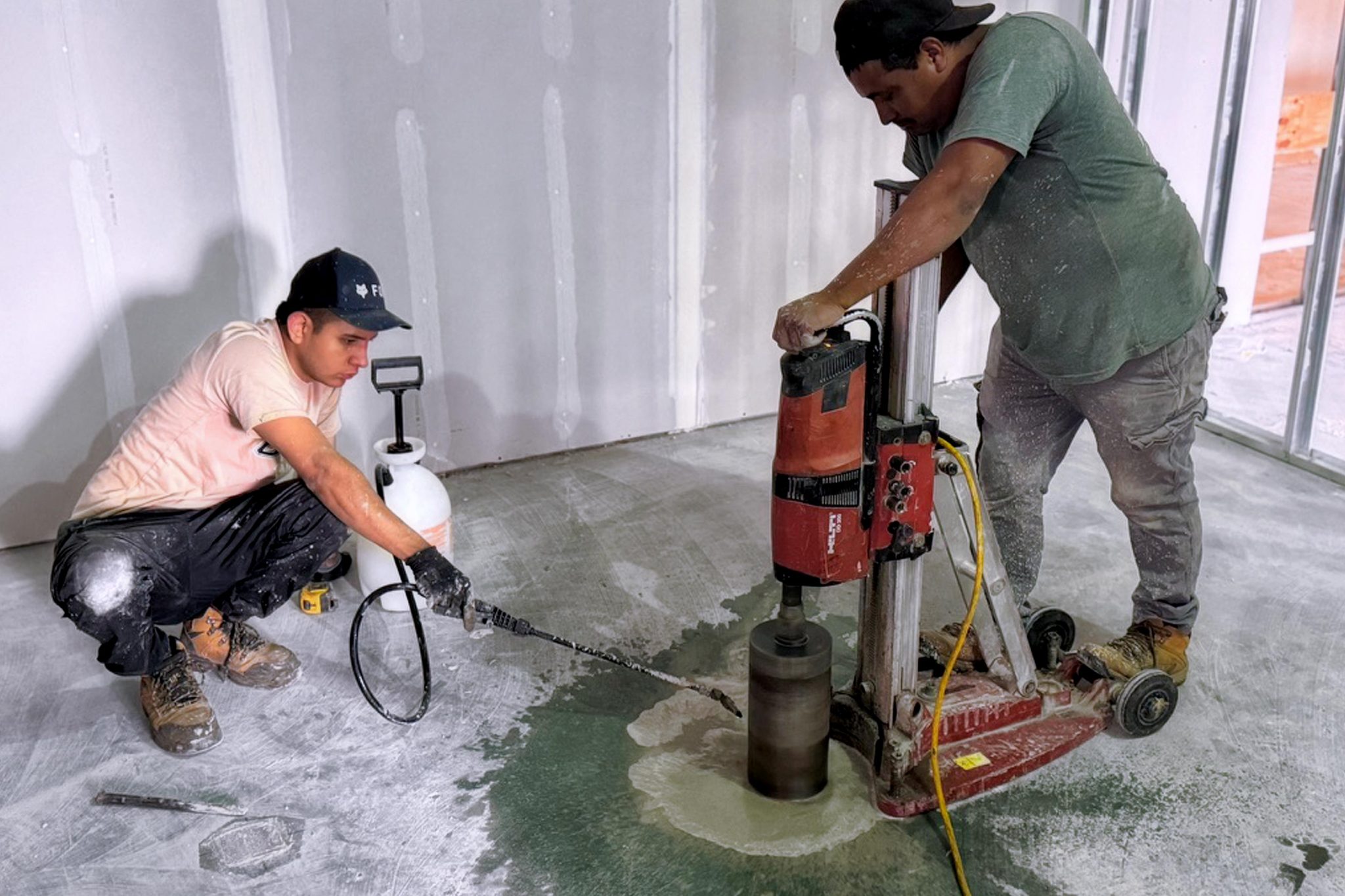

Basement walls are supposed to do quiet, heavy work. They hold back tons of soil, carry part of the home’s load, resist ground moisture, and endure freeze-thaw cycles year after year. When they fail, they rarely do it all at once. The first signs are usually subtle: a white chalky film on block walls, a faint damp odor after rain, paint blistering near the floor, hairline cracks widening over a season, or a small puddle where the wall meets the slab.
In New Jersey, those signs deserve attention sooner rather than later. The state’s mix of older housing stock, clay-heavy soils in some regions, seasonal storms, snowmelt, and high water tables creates real pressure on below-grade walls. Homeowners often think of waterproofing as a way to keep the basement dry enough for storage. In practice, good waterproofing also protects the structure itself. Stronger basement walls are not just about concrete strength or block thickness. They depend on moisture control, drainage, pressure relief, crack management, and the condition of the soil around the foundation.
That is where experienced waterproofing services NJ homeowners rely on make a difference. The best results come from understanding why water is getting in, what that water is doing to the wall system, and which repair method fits the actual failure, not just the visible stain.
What moisture does to basement walls over time
Water is patient. It finds joints, pores, hairline cracks, mortar imperfections, and weak points around penetrations. Once it starts moving through or against a wall system, several things happen at once.
First, hydrostatic pressure builds outside the foundation. After heavy rain, the soil around the house can become saturated. That water pushes laterally against the wall and upward beneath the slab. Concrete block walls are especially vulnerable because their hollow cores and mortar joints give water more pathways to travel. Poured concrete is denser, but it still cracks, especially near tie rod holes, control joints, and settlement points.
Second, repeated moisture exposure weakens finishes and accelerates material breakdown. Efflorescence, that powdery white residue many homeowners notice, is not dirt. It is mineral deposit left behind as water evaporates from masonry. On its own, efflorescence is not a structural emergency, but it is evidence of water movement through the wall. If the wall stays wet, coatings fail, mortar softens over time, and organic materials nearby become vulnerable to mold.
Third, pressure and moisture can change the wall’s geometry. Bowing, inward movement, stair-step cracking in block foundations, and horizontal cracks along mortar joints all point to pressure problems that simple interior sealing will not fix. I have seen basements where a homeowner painted on a waterproof coating three times in five years, only to find the same wall still leaking and now beginning to lean. The paint did not fail because it was bad paint. It failed because the wall was under stress.
Why New Jersey basements have recurring water problems
New Jersey is not one uniform soil or weather zone, and that matters. A home in Bergen County can face very different site conditions than one in Mercer, Camden, or Monmouth. Some lots drain naturally. Others hold water like a bowl. Some neighborhoods have mature landscapes and compacted backfill from decades ago. Others have newer grading that has shifted since construction.
A few common patterns show up again and again in this region. Clay soils expand when wet and shrink when dry. That movement adds pressure to walls and can contribute to cracking. Older homes often have foundations that were never waterproofed to modern standards, or they have exterior coatings that have long since deteriorated. Downspouts discharge too close to the house more often than people realize. Even a roof that sheds water properly can overwhelm a foundation if the discharge point is only a foot or two from the wall. Add a hard rain after frozen ground, and the water has nowhere to go except sideways and down.
Finished basements introduce another complication. Once walls are covered with framing, insulation, and drywall, the first signs of trouble may be hidden. By the time a musty smell or warped baseboard appears, the wall behind it may already have a long moisture history.
This is why blanket advice rarely works. Effective Waterproofing services depend on reading the house, the site, and the symptoms together.
Stronger walls start with diagnosis, not with a coating
Many basement water problems are misdiagnosed because the visible symptom feels straightforward. A wet wall seems to call for a waterproof paint. A crack seems to call for filler. But walls do not fail in isolation. Moisture enters because water is collecting somewhere, pressure is building somewhere, or the wall system itself has a defect.
A proper evaluation usually starts outside. Grading, gutter performance, downspout routing, pavement slope, planter beds, retaining walls, window wells, and driveway runoff all influence basement moisture. It is common to find multiple minor contributors rather than one dramatic failure. A low corner in the yard, a clogged gutter on the same side, and a cracked basement window well can work together to create a recurring leak that only shows up during wind-driven rain.
Inside, the pattern of staining tells a story. Water entering high on the wall often points to exterior surface entry, window issues, or grade problems. Water at the cove joint, where the wall meets the floor, often indicates hydrostatic pressure beneath or alongside the footing. A single vertical crack in poured concrete may be straightforward to inject and seal. A long horizontal crack in a block wall is a different conversation, because that often signals https://manuellsnn991.nexorafield.com/posts/advanced-waterproofing-services-nj-for-modern-homes lateral pressure and possible structural reinforcement needs.
The strongest basement walls are the ones that are not forced to resist unnecessary water pressure in the first place. That is the principle behind most durable waterproofing work.
Exterior waterproofing versus interior water management
Homeowners often ask which is better, exterior waterproofing or an interior drainage system. The honest answer is that they solve different problems, and sometimes a good project uses both.
Exterior waterproofing addresses the wall from the soil side. That can include excavation, cleaning the wall, repairing cracks, applying a true waterproof membrane, installing drainage board, and improving footing drainage. When done well, this approach reduces water contact with the wall and relieves pressure before it enters the basement. It is often the best fit when walls show active exterior seepage, deteriorated coatings, or signs of long-term moisture saturation.
Interior systems do not stop water from reaching the outside of the wall, but they manage the water once it gets to the foundation perimeter. A typical setup includes an interior drainage channel, stone, a sump basin, and a pump that sends water away from the house. This method can be highly effective for chronic seepage at the floor-wall joint or under-slab pressure, especially when exterior excavation is impractical because of patios, porches, close property lines, or deep landscaping.
There is a trade-off. Exterior work is more invasive and often more expensive upfront, but it addresses the source side. Interior systems are less disruptive to the yard and can be excellent at keeping the basement dry, but they do not remove water pressure from every wall condition. If a wall is structurally compromised, drainage alone may not be enough.
That is why experienced Waterproofing services NJ contractors do not treat every wet basement the same way. The right answer depends on whether the goal is moisture control, structural stabilization, or both.
The wall types most commonly seen in New Jersey homes
Not all basement walls respond the same way to moisture or repair methods.
Poured concrete walls are common in many newer homes and some mid-century construction. They are generally strong and resist uniform pressure well, but they crack. Shrinkage cracks can be narrow and mostly cosmetic, while settlement or pressure-related cracks may move or leak. Epoxy or polyurethane injection can be a durable repair when the crack is stable and properly prepared.
Concrete block walls are common in older housing stock and tend to show water issues more visibly. Because block and mortar joints offer more pathways for seepage, these walls often develop efflorescence, damp patches, or stair-step cracking. If lateral soil pressure becomes excessive, the wall may bow inward. In those cases, waterproofing should be discussed alongside reinforcement options such as carbon fiber straps, steel beams, or anchor systems, depending on the degree of movement.
Stone and rubble foundations present a different challenge altogether. Many older New Jersey homes have them, and they require restraint. Aggressive modern coatings can trap moisture in the wrong way. Repointing, drainage correction, and carefully matched materials are often more appropriate than trying to force a historic foundation to behave like a new poured wall.
What a solid waterproofing plan usually includes
The most successful basement waterproofing projects are not built around one product. They are built around a system. A contractor may use different materials from one home to another, but the logic tends to stay consistent.
- Control roof and surface water before it reaches the foundation.
- Improve grading so water flows away from the house, not toward it.
- Repair cracks and openings based on wall type and movement history.
- Relieve hydrostatic pressure with exterior or interior drainage.
- Stabilize walls if there is bowing, displacement, or structural cracking.
Each step supports the others. Skipping one can undermine the rest. For example, a sump system may work hard and still struggle if two downspouts dump hundreds of gallons of roof runoff beside the footing during every storm. Likewise, crack injection can hold well in sound concrete, but not if the wall is continuing to shift because of unresolved soil pressure.
Signs that waterproofing alone may not be enough
Some basements need more than moisture control. They need structural intervention. This is an important distinction because homeowners sometimes delay reinforcement while focusing only on leaks.
A horizontal crack in the middle third of a block wall is a warning sign. So is a wall that is visibly curved when sighted from one end. Doors above that suddenly bind, uneven floors near the foundation perimeter, and separation between framing and masonry can all point to movement. Water may be part of the cause, but once a wall has started to deflect, the repair conversation changes.
That does not always mean a full foundation replacement. In many cases, if the movement is caught early enough, reinforcement systems can arrest further displacement and preserve the wall. The right choice depends on severity, access, and whether the wall can be corrected or simply stabilized in place. What matters most is not pretending the issue is cosmetic.
I once looked at a basement where the owner had been mopping up after storms for nearly a decade. The leak was the complaint that prompted the call. The real problem was a block wall that had moved inward enough to crack several joints along a 20-foot span. The water was what got attention. The pressure was what threatened the wall.
Interior humidity still matters, even after leaks are fixed
A basement can stop taking on liquid water and still feel damp. That is because below-grade spaces naturally run cooler, and cooler surfaces attract condensation. In summer, warm humid air enters the basement, meets cold walls or floors, and leaves moisture behind. To a homeowner, it may look like the waterproofing failed. In reality, it may be a humidity control issue.
This matters for stronger basement walls because persistent interior moisture can hide small wall changes, support mold growth on finishes, and make the space feel unhealthy even when the structure is dry. A properly sized dehumidifier, sealed sump lid, insulated cold-water lines, and sensible ventilation often complete the job. Waterproofing is not always finished when the crack is sealed or the drain is installed. Sometimes the space needs to be managed as a basement, not as a main-floor room.
Choosing waterproofing services NJ homeowners can trust
The quality gap in this field is real. Some contractors are excellent diagnosticians and careful installers. Others sell the same package to every house. The difference usually shows up in the questions they ask and the things they inspect before they quote.
A dependable contractor should want to know when the problem occurs, how long it has been happening, whether it follows heavy rain or snowmelt, what the exterior drainage looks like, and whether there are any signs of wall movement. They should look outside, not just inside. They should explain why they recommend a method, what it does well, and what it does not do.
A few practical questions help separate thoughtful professionals from aggressive sales operations.
- Are you addressing water entry, structural movement, or both?
- What evidence supports the proposed repair method for this wall type?
- Will the work reduce hydrostatic pressure or only manage the water after entry?
- What maintenance will the system require, especially pumps and drainage components?
- What signs should prompt follow-up after the repair is complete?
Clear answers matter more than polished brochures. For example, every sump pump system needs maintenance and eventually replacement. That is not a flaw, it is reality. A contractor who pretends otherwise is not being candid. The same goes for wall reinforcement. Carbon fiber may be effective for certain bowing conditions, but not every wall is a good candidate. Judgment is the product.
Cost, disruption, and what homeowners should realistically expect
Waterproofing costs vary widely because the work ranges from a simple crack injection to full-perimeter excavation with drainage improvements and structural reinforcement. That range is normal. What homeowners should watch for is not the cheapest bid, but whether the scope matches the problem.
Exterior excavation is disruptive. Shrubs may need to come out. Walkways may need partial removal. Access can be tight. But on some homes, especially where the wall is failing from the outside inward, that disruption buys a more direct and durable fix. Interior systems are often faster and easier on the landscape, and they can perform very well, but they are not magic. They need power, pump reliability, and occasional servicing.
Timing matters too. Waterproofing during a dry stretch can make installation easier, but diagnosis is sometimes clearer after rain when symptoms are visible. Either way, do not wait for the peak of a wet season if the signs are already there. A basement wall rarely improves on its own.
The long view: protecting the house above the basement
People often treat basement waterproofing as a separate home project, something apart from the rest of the structure. In reality, the basement supports everything above it. Moisture at the foundation level affects air quality, storage, insulation performance, finishes, and eventually resale value. More importantly, prolonged pressure and water exposure can shorten the service life of the wall system itself.
Stronger basement walls come from reducing the conditions that make walls fail. That means moving water away from the house, relieving pressure around the footing, sealing the right defects with the right materials, and reinforcing walls when structural signs appear. Good Waterproofing services are not just about keeping a floor dry after a storm. They are about preserving the part of the house that carries the load no one sees.
For New Jersey homeowners, that broader view is worth taking seriously. The climate is hard on foundations, and many homes already have decades of wear built into them. The sooner a damp wall, a recurring musty smell, or a growing crack is evaluated with a trained eye, the better the chance of solving the problem while it is still manageable. Done properly, waterproofing does more than clean up a nuisance. It gives basement walls a better chance to stay straight, sound, and durable for the long haul.
ARD Waterproofing
Address: 98 Smull Ave, West Caldwell, NJ 07006
Phone number: +12016465936
FAQ About Waterproofing Services NJ
How much can waterproofing cost?
Stephanie holds a bachelor's degree in journalism from California State University, Long Beach. Basement waterproofing costs around $13,640 on average for a 1,000-square-foot basement, but estimates can range from $12,447–$14,833, depending on the severity of the issue.
Which company is best for waterproofing?
The "best" company depends on your specific need—whether you are looking for local contractors to fix a wet basement or global manufacturers providing commercial-grade chemicals.
What is the best time to do waterproofing of your home?
As the rains subside, it makes for the perfect time to work on waterproofing your home. With no high temperatures and harsh rains to disrupt the process of waterproofing your home, you get to rapidly protect your home in time.